Professional mosquito control in Toronto focuses on reducing both adult mosquitoes and the breeding conditions that allow new mosquitoes to emerge. GTA Pest Solutions provides property-specific mosquito treatments for homes and businesses across Toronto and the GTA, using inspection, standing-water management, targeted barrier treatment and follow-up visits where needed.
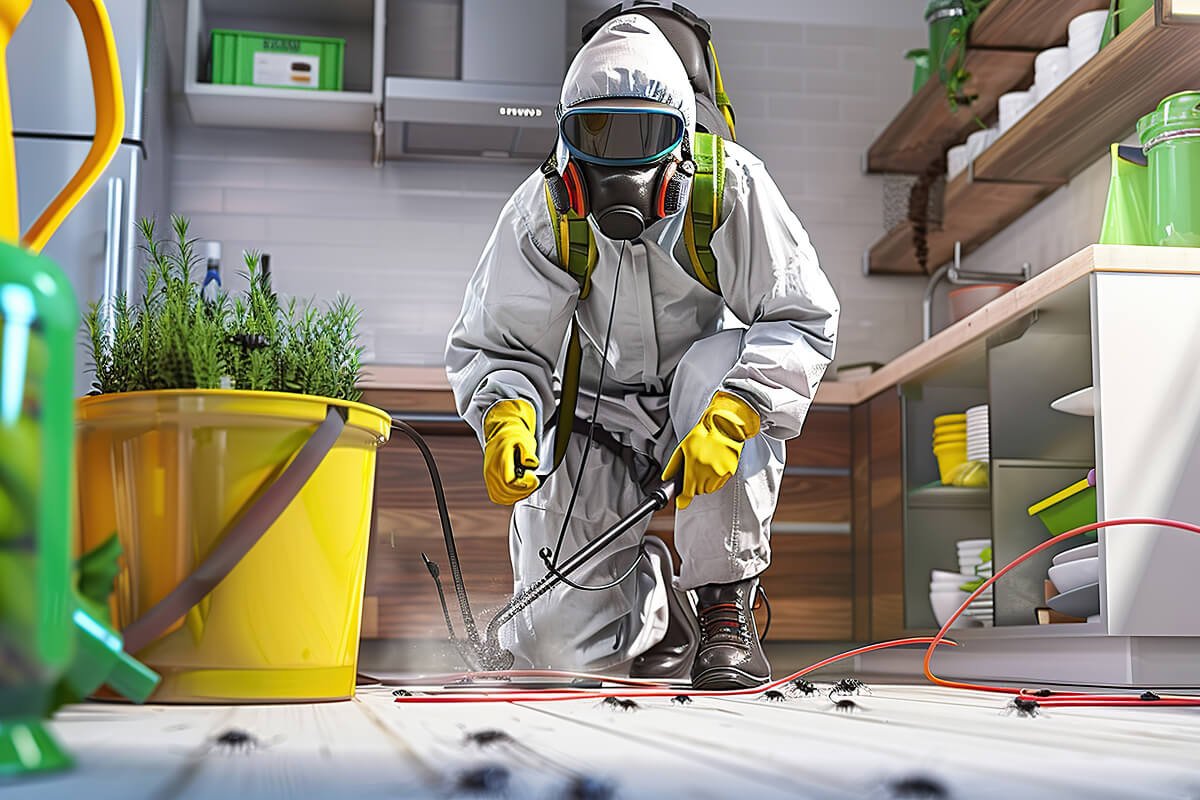
Mosquitoes need standing water to breed and shaded, humid spots to rest in during the day. A property does not need a pond to qualify. A clogged eavestrough, a low spot in a tarp, or a kiddie pool left out for two days is enough for a full breeding cycle.
In Toronto and the GTA, mosquitoes can breed in relatively small amounts of standing water around residential and commercial properties. Common sources include clogged eavestroughs, buckets, planters, birdbaths, low areas, tarps and other containers that collect rainwater. Shaded vegetation and damp areas can also provide resting sites for adult mosquitoes.
West Nile virus is a mosquito-borne infection monitored by Toronto Public Health. Toronto reported its first human case of West Nile virus for the 2026 season on July 30, 2026, and the city conducts regular mosquito surveillance during the summer. Reducing standing water and limiting mosquito exposure are important parts of prevention. Professional mosquito control can help reduce mosquito activity around an individual property, but it does not eliminate citywide disease risk.
For official surveillance information and personal prevention guidance, visitors can refer to Toronto Public Health
Professional mosquito control typically combines source reduction, larval control and targeted treatment of adult mosquitoes. The exact approach depends on the property, mosquito activity, standing-water sources and surrounding conditions.
A licensed mosquito exterminator inspects the property before quoting, since a shaded ravine lot and an open, sunny yard need different product volumes and visit counts.
Not every backyard mosquito problem is the same species, and treatment priorities shift depending on which one dominates a property. No other GTA provider publishes this comparison.
| Comparison | Culex Mosquito (Culex pipiens) | Asian Tiger Mosquito (Aedes albopictus) |
|---|---|---|
| Colour / Size | Brown, approximately 4–6 mm long. | Black with distinctive white stripes, approximately 2–10 mm long. |
| Active Hours | Most active during dusk and throughout the night. | Primarily active during the daytime and known for aggressive biting. |
| Breeding Sites | Stagnant water, catch basins, ponds, and storm drains. | Small water-holding containers, old tires, buckets, flower pots, and tree holes. |
| GTA Disease Link | Primary vector for West Nile virus in the Greater Toronto Area. | An emerging concern that is monitored by local public health authorities. |
| Typical GTA Presence | Widespread and the most common mosquito species across the GTA. | Increasing in numbers since 2016 but still less common than Culex pipiens. |
Not sure which one you’re dealing with?
Mosquito treatment frequency depends on weather, rainfall, mosquito activity, property conditions and the treatment method used. During the active mosquito season, repeat treatments may be recommended when activity returns or environmental conditions create new breeding sites. A one-time treatment can also be used for a specific outdoor event, but it is not a substitute for seasonal mosquito management.
For a one-off event such as a wedding or backyard party, a single patio and yard mosquito spray timed 24 to 48 hours ahead gives the cleanest short-term result, though it will not hold for the rest of the summer on its own.

Professional mosquito control may be worth considering when mosquito activity consistently interferes with outdoor use, breeding sites repeatedly appear after rainfall, or property conditions such as dense vegetation, shade or nearby wetlands support mosquito activity.
Mosquito control pricing depends on property size, vegetation, mosquito activity, access and the number of potential breeding sites that require attention. GTA Pest Solutions can assess the property and provide a treatment recommendation and quote based on the conditions found.
Mosquito-control products must be used according to their approved Canadian label directions. Before treatment, technicians should explain any required precautions, including when people and pets can return to treated areas. Health Canada maintains the federal pesticide registration and label information for products approved for use in Canada.
Reducing breeding sites and adult populations on a single property lowers local bite exposure, though it does not eliminate citywide risk. Effective West Nile virus prevention combines professional treatment with city surveillance and personal precautions such as repellent and covering exposed skin at dawn and dusk.
Yes. During an inspection, technicians can identify standing-water sources that may support mosquito breeding. Where treatment is appropriate, the method and product are selected according to the site conditions and applicable product label directions.
Barrier treatment typically reduces adult activity within 24 to 48 hours. Larvicide works over the following 1 to 2 weeks as existing larvae are prevented from maturing, which is why a single visit alone is rarely the full answer.
The timing depends on the treatment method and mosquito activity at the property. Barrier treatments are intended to reduce adult mosquito activity, while larval control addresses mosquitoes developing in standing water. Results can vary with rainfall, new breeding sites and surrounding mosquito pressure, so follow-up treatment may be recommended during the active season.
2985 Drew Rd # 213, Mississauga, ON L4T 0A7

Copyright © 2026 GTA Pest Solutions. All rights reserved.